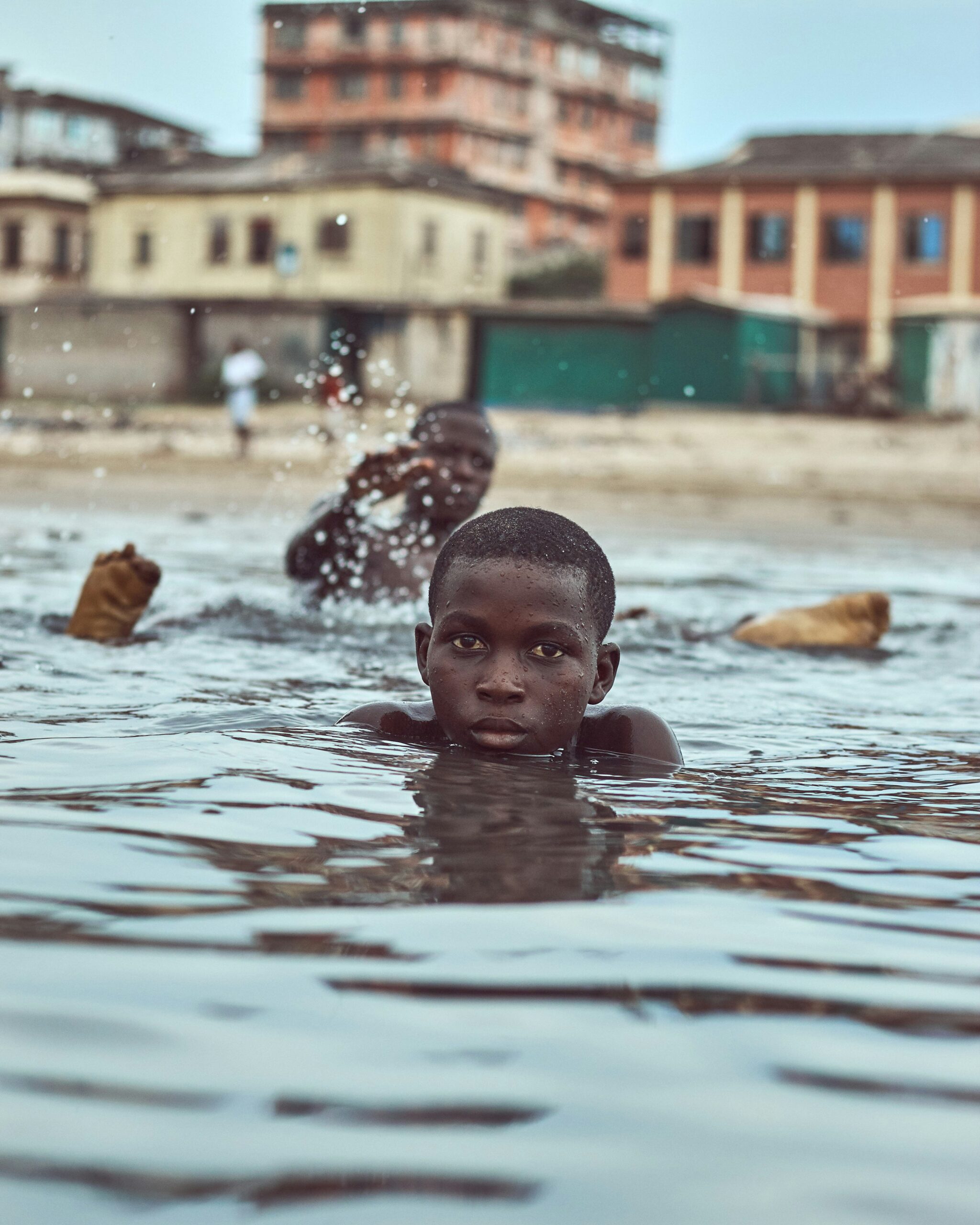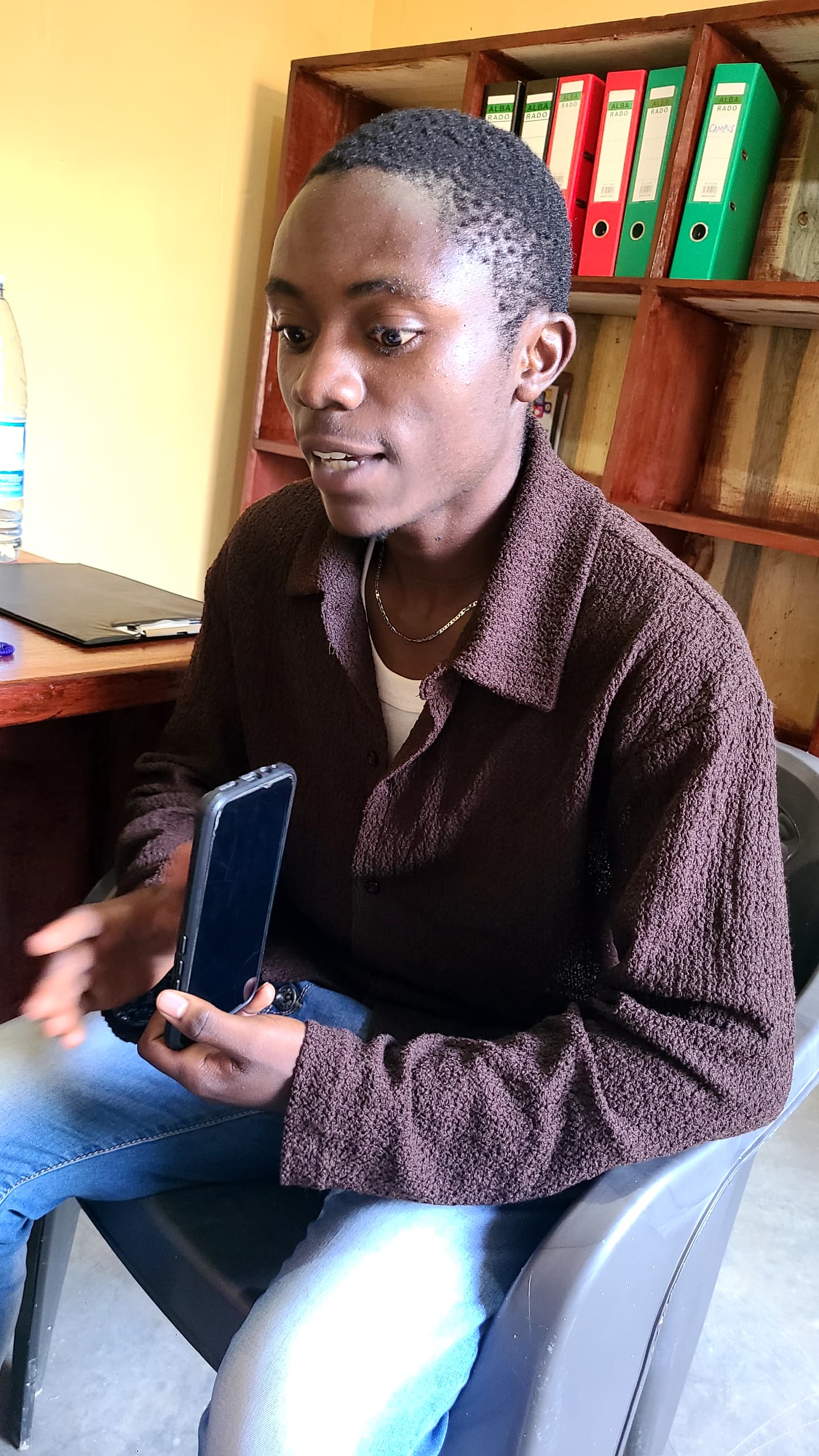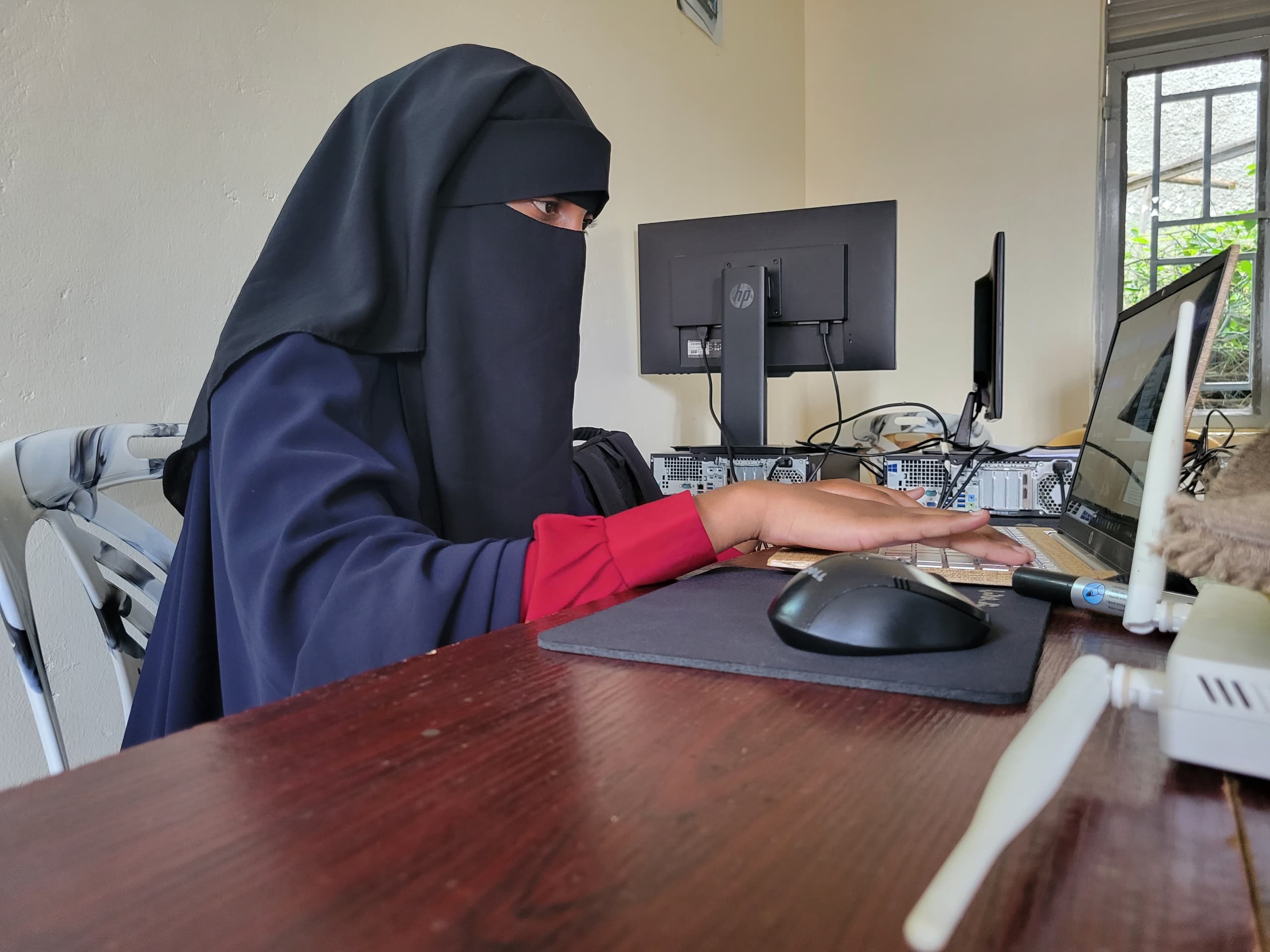
When people outside hear the word “refugee camp,” they picture tents, queues, sadness, and hunger. And yes, those things exist here. But that’s not the full story.
Because here in Nakivale, we are not just refugees.
We are parents. Children. Artists. Teachers. Farmers. Dreamers.
We are people. And we are living. Really living.
My name is Grace Nyiransaba, and this is my life.
Morning in Nakivale – Simple, but Structured
My days begin early—just before sunrise. The roosters in Zone 2 don’t wait for alarms, and the sound of water containers dragging across dirt roads means the line at the borehole has already started forming.
I wrap my kitenge cloth, call my daughter, and we walk together to fetch water. We greet neighbors, laugh quietly, and help an old woman balance her jerrycan. That’s our routine—repetition with community.
After water, we make porridge—if there’s enough maize flour. If not, we boil cassava. We don’t complain. We stretch what we have. That’s a skill you learn quickly here.
A Day Built on Small Tasks and Shared Purpose
In Nakivale, time moves differently. You don’t rush, but you don’t waste it either. We sweep our compound, tend to small gardens, help neighbors care for their children.
In the afternoons, some of us attend workshops—health talks, tailoring classes, or informal literacy sessions under trees. The youth meet for football matches. The elders sit in circles, sharing news, memories, and sometimes silence.
There is a kind of rhythm to life here. It’s not easy, but it’s deeply human.
The Joys Are Quiet—but Real
Despite the struggle, there is beauty here.
There’s the laughter of children chasing old tires down dusty paths.
There’s the Sunday singing from the small church built of tarpaulin and sticks.
There’s the sweet smell of roasting maize in the evening.
There’s the storytelling by moonlight, when elders pass down wisdom and we all forget, just for a moment, that we are in exile.
Some days we dance. Not because things are perfect—but because we’re still alive.
Style and Survival
Even here, we care about how we look. Young girls braid each other’s hair. Boys clean their second-hand sneakers until they shine. Mothers wash clothes with care, pressing wrinkles out with heated pots.
We may wear donated clothes, but we wear them with pride. We craft earrings out of bottle caps, turn old fabric into bags.
Style is resistance. Self-expression is survival.
The Challenges Are Real—But So Is Our Strength
Yes, we face problems. Not enough food. Not enough opportunity. Not enough space to dream big.
But still, every day, we adapt. We create. We share.
Some sell vegetables. Others repair phones or make bricks.
Some write poems, others sing.
This is our hustle. This is our life.
A Lifestyle Shaped by Hope
I used to think of lifestyle as luxury—cars, restaurants, soft beds. But here, I’ve come to understand that lifestyle means how you live your life. And here in Nakivale, we live with dignity, routine, joy, and struggle—interwoven like threads in a kitenge wrap.
We have culture. We have rhythm. We have pain, yes—but also pride.
So if you ever visit Nakivale, don’t just see poverty or tents.
See the smiles, the skills, the strength.
See the young boys fixing radios. The women planting kale in old water tanks. The neighbors helping one another without expecting anything in return.
See us.
This is our lifestyle—not perfect, but powerful.
And in it, we carry our past, our present, and the hope of something better.