I never planned to be a leader. Honestly, I didn’t even think I had that in me. When I arrived in Nakivale Refugee Settlement four years ago, I came with nothing but a torn bag, a broken heart, and questions. Questions about why we had to run. Why peace was so fragile. And how I was supposed to build a future in a place where everything seemed temporary.
But this camp—this place of struggle and strength—it has a way of showing you who you really are. It taught me that leadership isn’t a title. It’s a choice.
Where Leadership Looks Different
Here in Nakivale, leadership doesn’t come with microphones or stages. It comes with showing up, again and again, when there’s no one else. It’s the girl who translates during medical visits because she knows three languages and her neighbors don’t. It’s the teenage boy fixing broken radios so that families can hear the news. It’s the mother who teaches ten children under a tree, using the back of a cereal box as a chalkboard.
For me, it started with storytelling.
Back in Congo, I used to love reading. But here, books are rare. So I began writing down my own stories—poems, letters, short tales about life in the camp. At first, I just wrote for myself. Then a friend asked me to help him write a letter to an NGO. Then a young girl asked me to read her poem and help her edit it. Before I knew it, every weekend, I was sitting under the mango tree near Zone 4, holding a writing circle.
That’s when I realized—I wasn’t just sharing stories. I was building confidence. I was creating a space for others to be heard. That’s leadership.
We Lead With What We Have
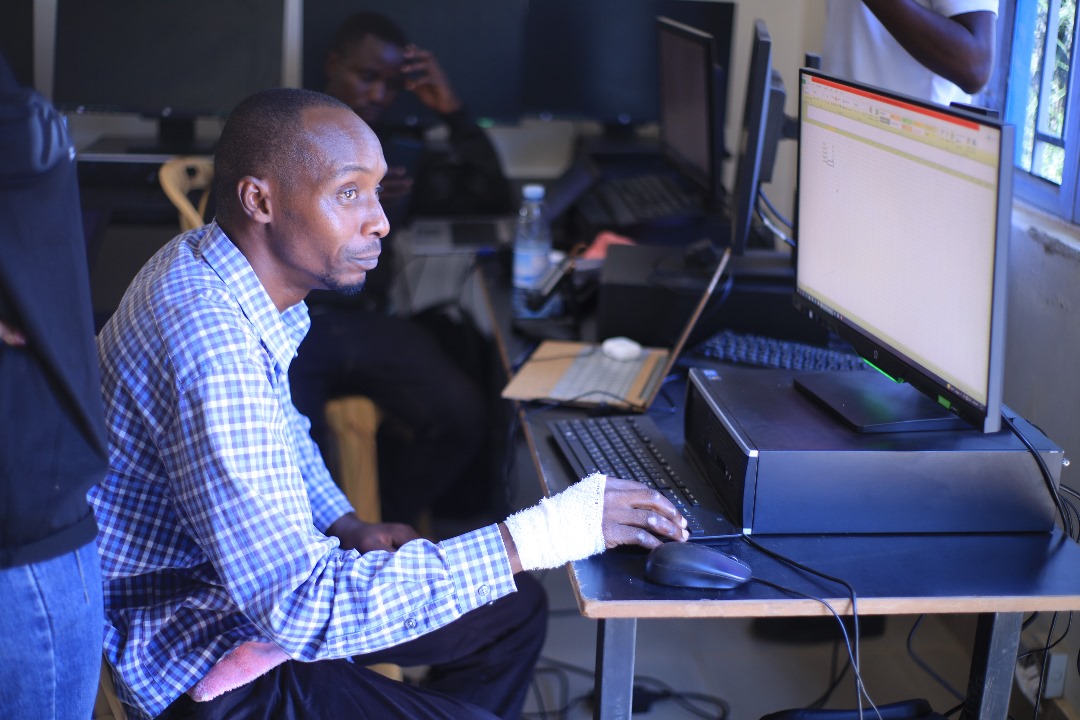
We don’t have much here. No stable internet. Not enough desks. Half the laptops we use don’t even have batteries anymore—they stay plugged into a solar panel like patients on life support. But we have each other. And we have ideas.
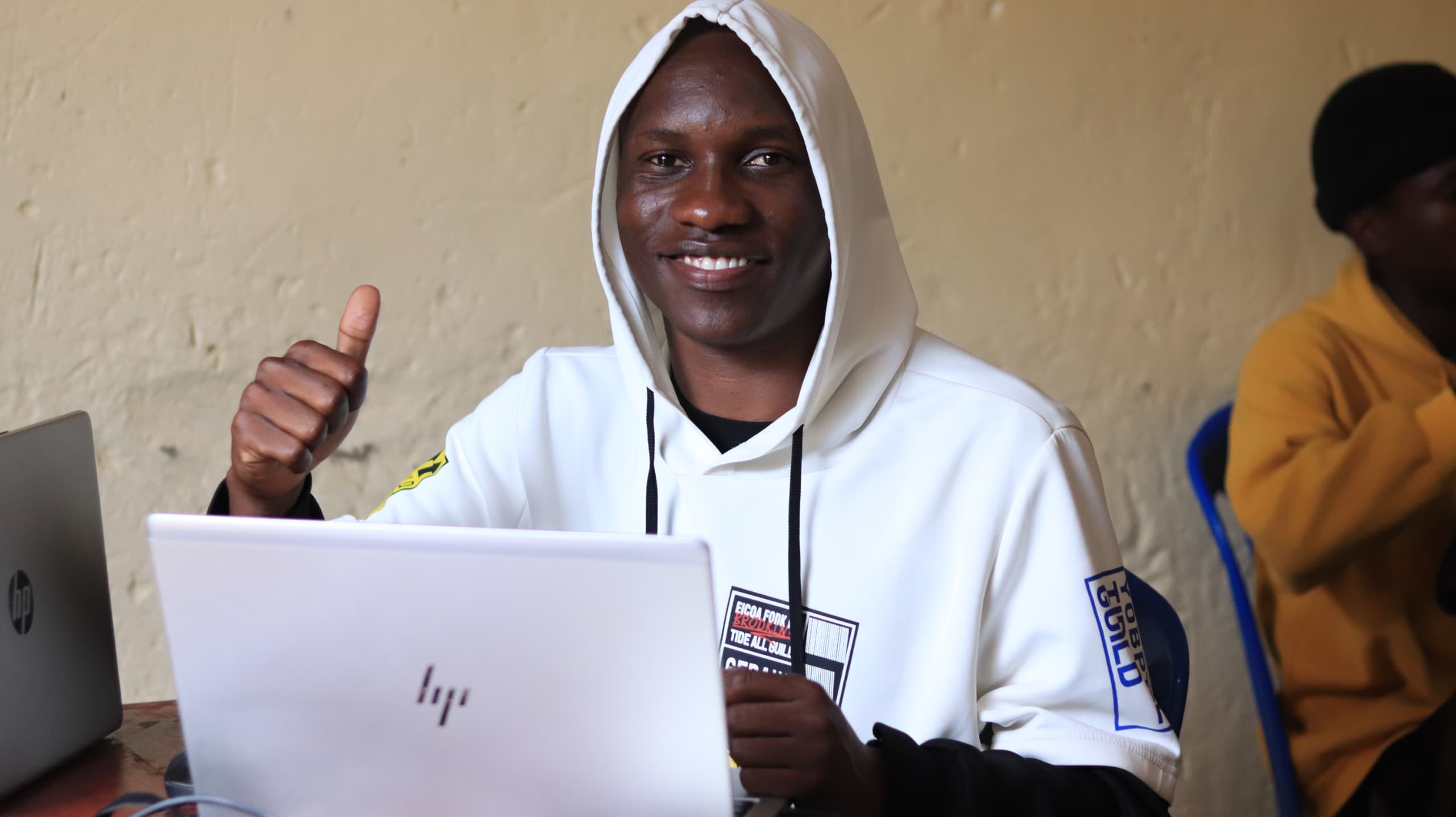
With a few friends, we started giving digital literacy sessions using what we had—borrowed phones, old laptops, printed guides. We taught young people how to write emails, how to search for scholarships, how to apply for online work. The tools were basic, but the impact was deep. Some of them have now become trainers themselves. That’s leadership too—not leading alone, but bringing others with you.
From Survivor to Servant Leader
I’ve come to understand leadership not as authority, but as responsibility. In Nakivale, trauma is everywhere, but so is talent. Every day I meet people with the potential to change the world—if only someone gives them a chance, or reminds them they matter.
Sometimes, leadership means helping someone believe in themselves again.
We are displaced, yes. But we are not helpless. We are not passive. The young people I see around me are organizing debates, running peace clubs, mentoring children, starting community gardens. We may not have much, but we have purpose. And that’s powerful.
A Message to the World
When people hear “refugee,” they think of need. But I wish they would also think of leadership. Because in this camp, leadership is everywhere—quiet, humble, relentless.
So if you ask me what leadership looks like in Nakivale, I’ll tell you:
It looks like a 16-year-old girl teaching her siblings how to read.
It looks like a friend sharing half their food with someone who has none.
It looks like a group of youth turning a borrowed phone into a classroom.
And sometimes, it looks like me—Emmanuel Bizimana—writing stories under a tree, believing that one day, our voices will reach beyond these borders.
Because we are not waiting for permission to lead.
We are already doing it.