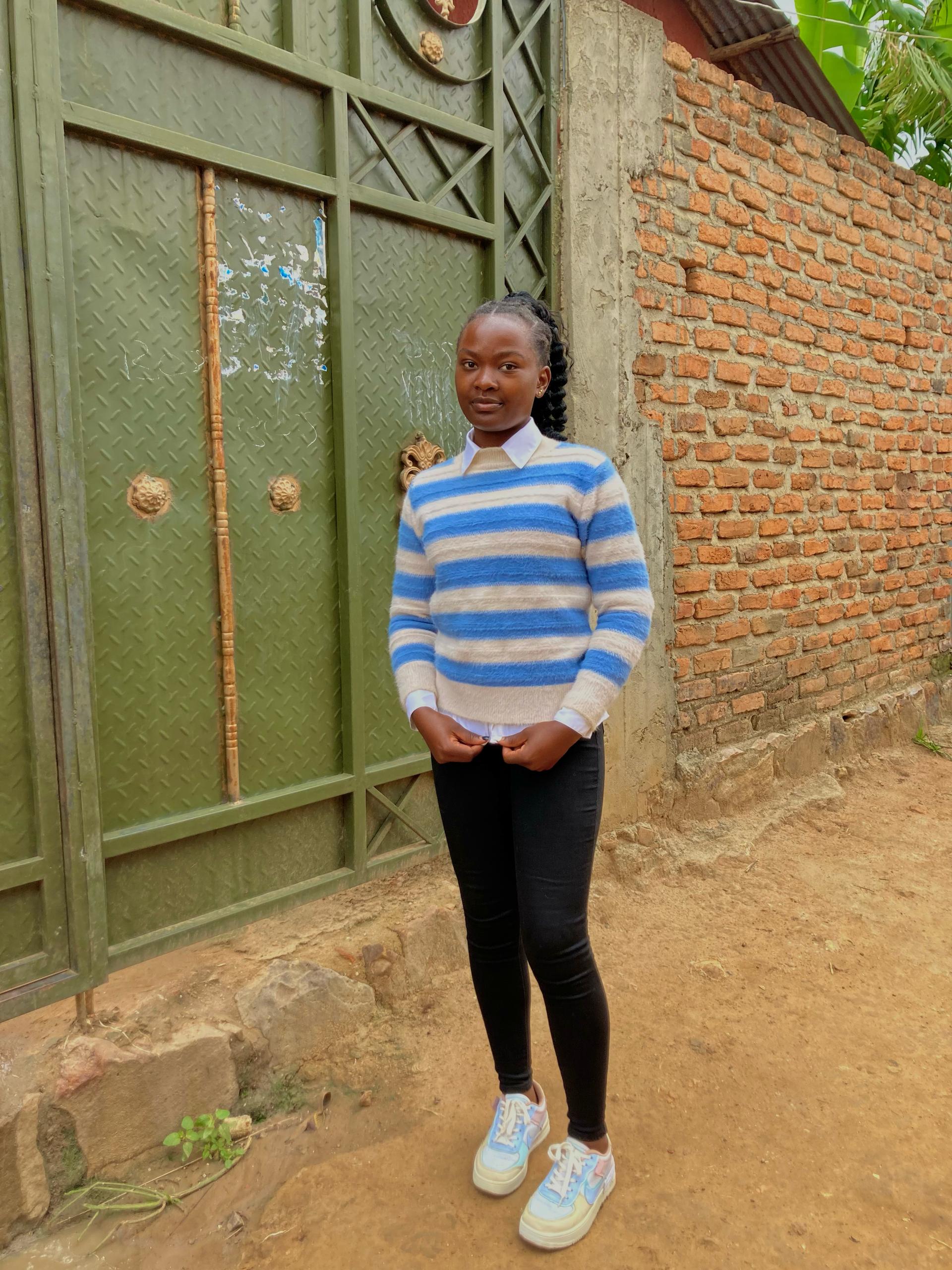
At just 14 years old, Aurelie, a Congolese refugee in Nakivale Refugee Settlement in Uganda, saw a problem most people had grown used to: kids couldn’t study at night. With electricity nearly non-existent in parts of the camp and families sharing tiny rooms, doing homework after dark was almost impossible.
Aurelie, who loved science and had an old phone she used for learning YouTube hacks when data was available, stumbled on an idea that sparked something big: solar-powered schoolbags.
Using thrown-away plastic, fabric scraps from the market, and help from a local tailor, she created a prototype. The bag had a tiny solar panel stitched on the top flap, charging a small battery as she walked to and from school. Inside, she rigged an LED light—just enough to read and write under.
Her first bag was a mess. But the second one worked. She showed it to her teacher, then to the head of a small NGO working on youth education. They were blown away. The concept was simple, but in a place like Nakivale, it was game-changing.
By the end of the year, Aurelie had made 12 more bags—one for each of her closest friends. They called them “Light Packs.” Kids started finishing their homework. Some even used the lights to help their families cook at night.
Today, Aurelie runs a tiny “innovation hub” from a repurposed shipping container. She teaches other girls how to build Light Packs, fix broken solar lights, and dream up their own solutions.
She once said in a community interview:
“Even if the world pushed us out, we will light our own path back.”